
Flavour Combinations in Cake Design: The Logic Nobody Explains
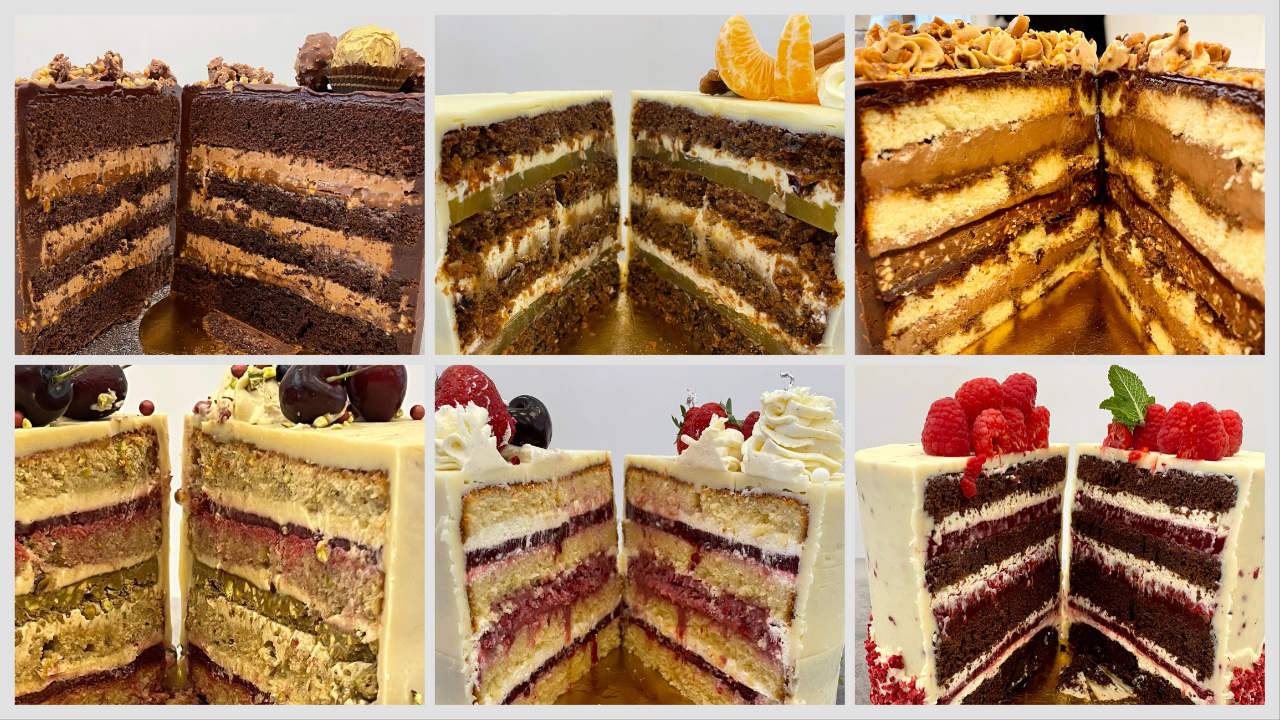
A beautiful cake catches the eye. A cake you remember after eating it — that's something else.
That memory doesn't come from the design. It comes from what happens in the mouth.
And that depends entirely on how the flavours were built together.
What most cake designers do
They offer separate flavours and let the client combine as they wish.
The result is often disappointing. Not because the flavours are bad. Because they weren't thought through together.
A flavour combination isn't an addition. It's a construction.
The logic of a combination that works
Intensities A strong flavour needs a neutral base to express itself. Intense praline overwhelms an already sweet cream. Sharp lemon is aggressive without a soft cream to balance it. The balance of intensities isn't intuitive — it's built.
Textures They carry flavours as much as the flavours themselves. A melting insert in a light cream doesn't produce the same experience as the same insert in a dense cream. Ignoring textures ...
Ganache vs Buttercream in Cake Design: What Tutorials Don't Tell You
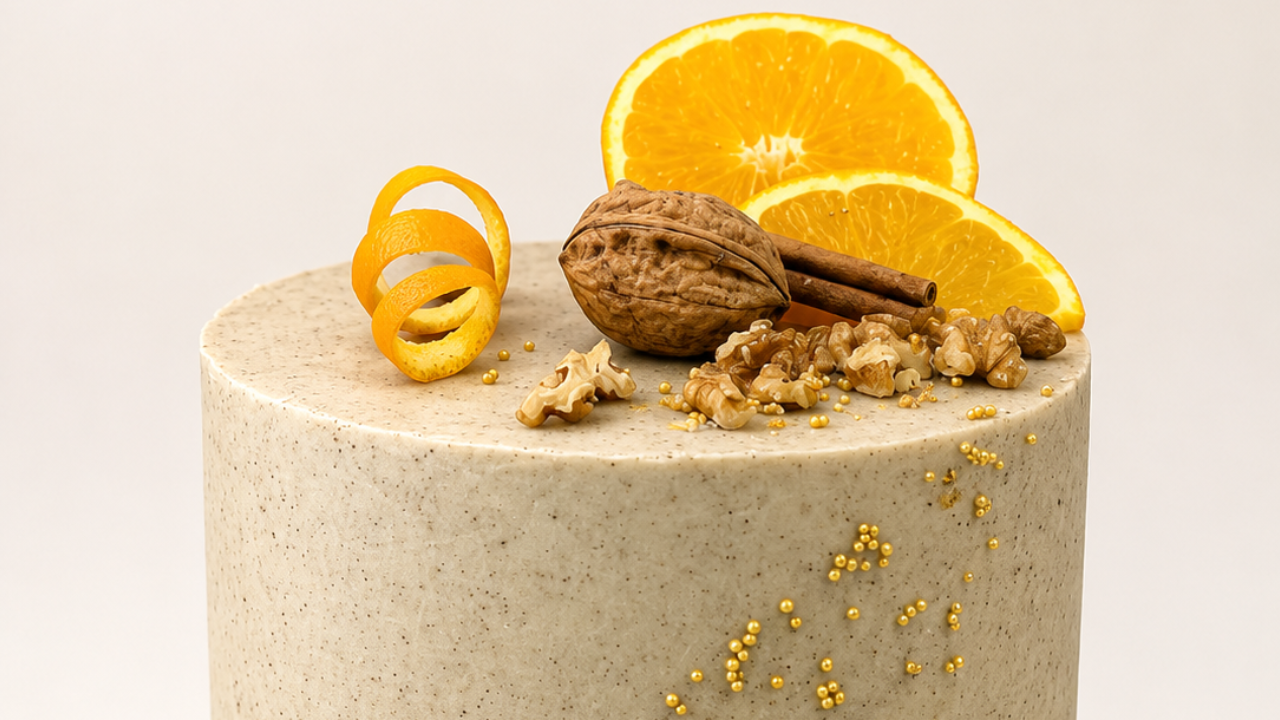
If you learned cake design online, you probably learned with buttercream. It's what the vast majority of tutorials use. It's what people who follow them reproduce. And it's become a default — not because it's the best option, but because it's the most common one.
Those are not the same thing.
What Nobody Tells You About Buttercream
Buttercream is presented as accessible. In reality, it's unpredictable.
It splits easily during preparation — a slight temperature variation in your ingredients and the texture is compromised. It melts in heat. It cracks as it cools. It sags under the weight of tiers. And once on the cake, it changes over time — it weeps, it dulls, it loses its structure.
This is not a forgiving material. It's an unstable one that people use out of habit and imitation.
What Ganache Changes
Covering ganache sets. That's not a subjective quality — it's its chemical nature.
Once crystallised, it provides a firm, stable base with sharp edges that buttercream
Fruit in Cake Design: What Works and What Ruins Everything
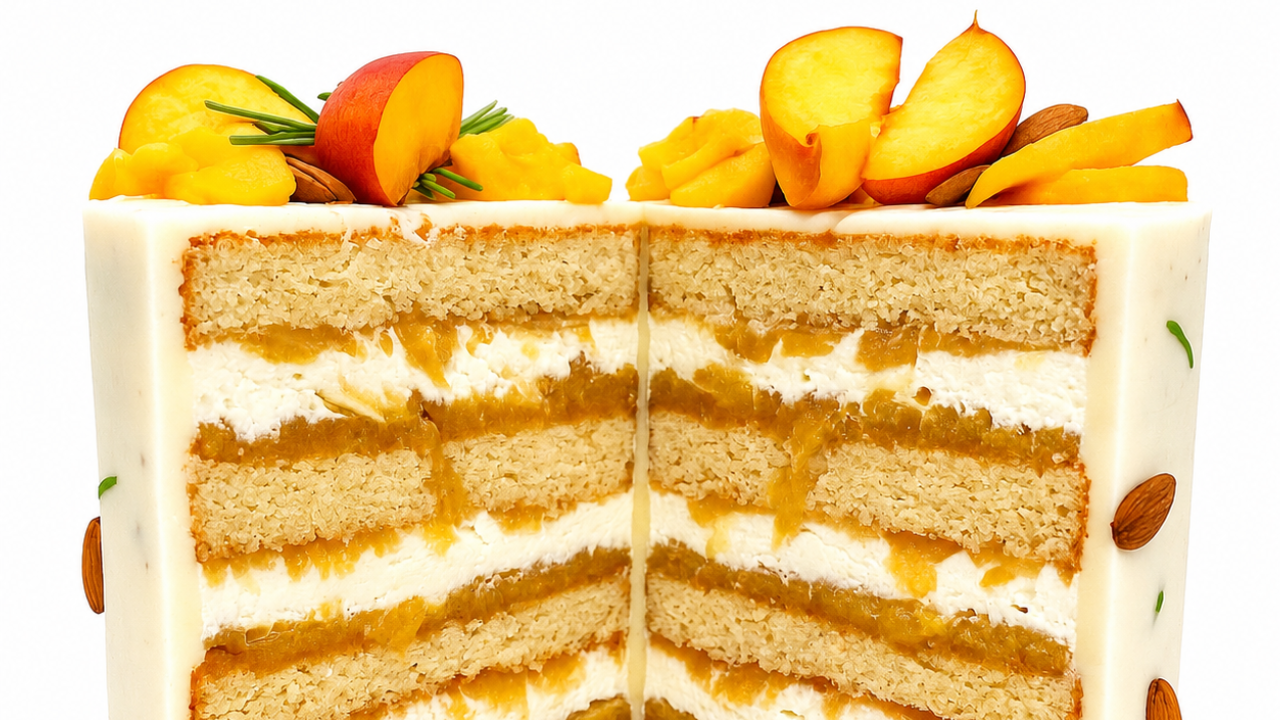
Fruit sells. In a photo, a raspberry insert or a mango coulis looks dreamy. In the mouth, done right, it's irresistible.
Done wrong, it's a cream that liquefies, tiers that sink, and a texture that's compromised within hours of delivery.
The problem isn't the fruit. It's the water it contains.
The Real Enemy: Uncontrolled Moisture
In fine patisserie, every gram of moisture counts. A well-whipped cream, a properly crystallised ganache, a perfectly baked sponge — all of it can be destabilised by a single poorly managed source of moisture.
Fruit is a major one. And it's consistently underestimated.
What to Avoid
Frozen fruit added directly. As it thaws, it releases a significant amount of water. Incorporate it into a cream or directly into an assembly and that water migrates. Your cream loses structure, your layers become unstable.
Fresh fruit, cut. The moment a fruit is cut, it starts releasing juice. Inside a closed cake, that juice has nowhere to go — it soaks into the adjacent...
Your Cake Looks Beautiful. What If It Was Also Unforgettable to Taste?
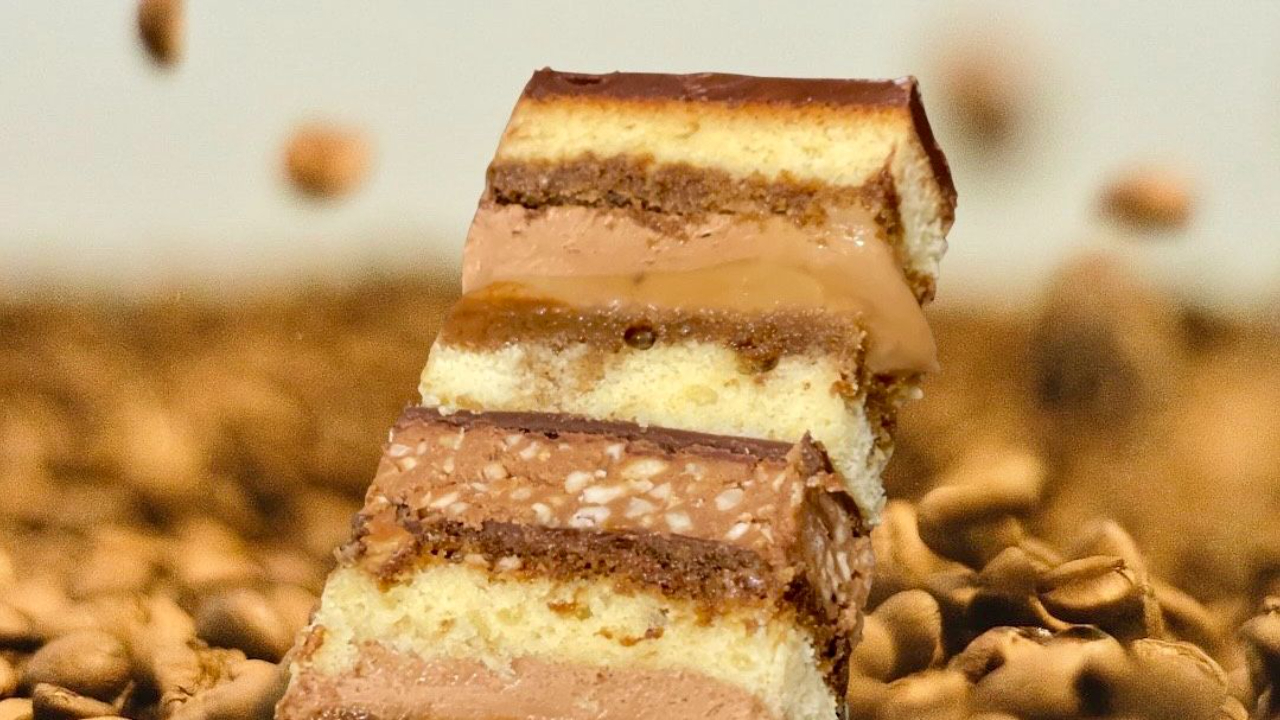
Let's talk about something you almost never hear in the cake design world.
You've worked on your exterior. The smoothing is flawless, the finishes are clean, the photo is stunning. The client is impressed at delivery. Then they cut the cake, they taste it — and nothing.
A forgettable sponge, an overly sweet cream, a soft texture that collapses at the slice.
They probably won't complain. But they won't come back either. And they won't tell anyone about it.
This is the most widespread problem in cake design — and the most ignored.
Why the Inside Is Almost Always Neglected
The answer is simple: nobody sees it on Instagram.
Most cake design learning revolves around the exterior. Decoration techniques, finishes, visual trends — everything that photographs well. The inside stays in the shadows. Most courses and online tutorials don't cover it, or offer a basic recipe without explaining why it works.
The result: many cake designers have mastered the shell and are improvising the rest.
...