
Food Colouring in Cake Design: Gel, Powder, Liquid — Which One for What
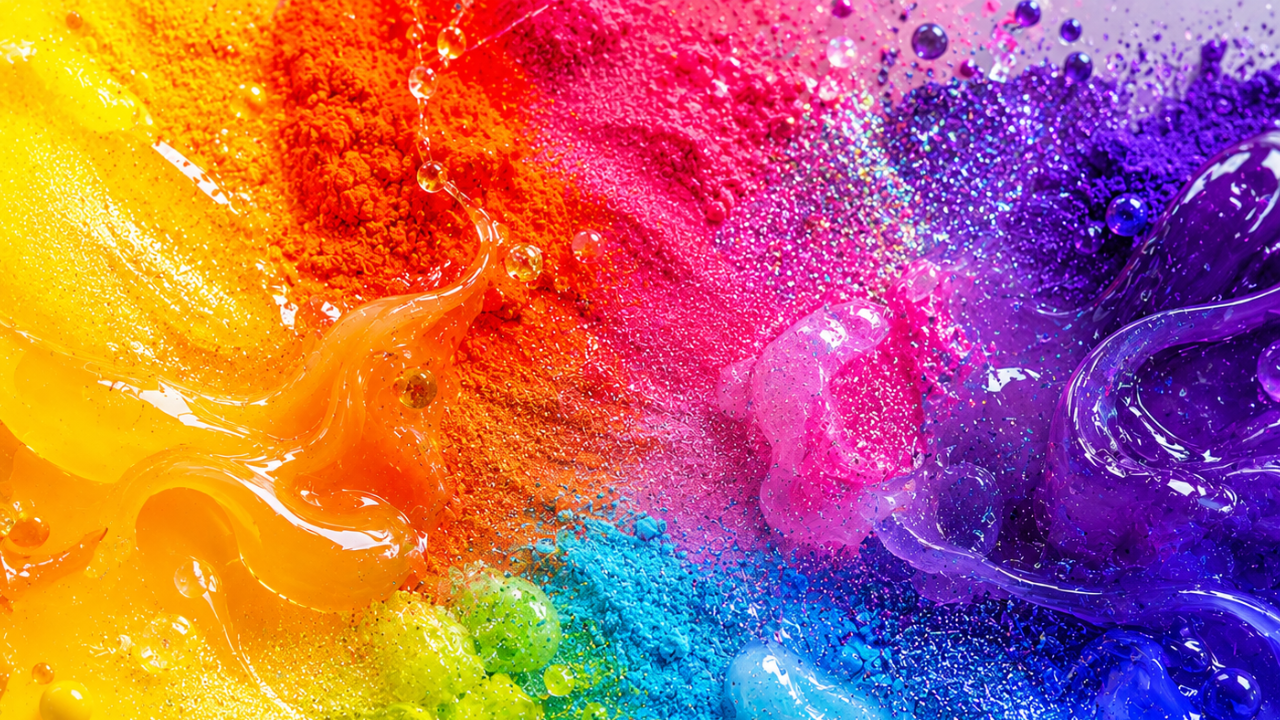
Not all colourings are equal. And not all are used the same way.
Choosing the wrong colouring for the wrong application means risking a split ganache, a dull colour instead of a vibrant one, or a fondant that sticks and tears during smoothing.
Here's the technical logic behind the choice.
Gel colourings
This is the most versatile format in cake design.
Gel colourings are concentrated, water-soluble, and integrate easily into most water-based preparations: buttercreams, glazes, fondant, royal icing.
Their concentration allows you to achieve vibrant shades without altering the texture of the preparation — provided you don't overdo it. Too much gel colouring in a buttercream can make it bitter and slightly change its consistency.
Use for: buttercream, glaze, fondant, royal icing, coloured sponges and biscuits.
Avoid for: chocolate and ganache — the water content in gel causes chocolate to seize immediately.
Powder colourings
Powder colourings are the most versatile — and the...
Why You Should Never Copy a Cake for Your Client
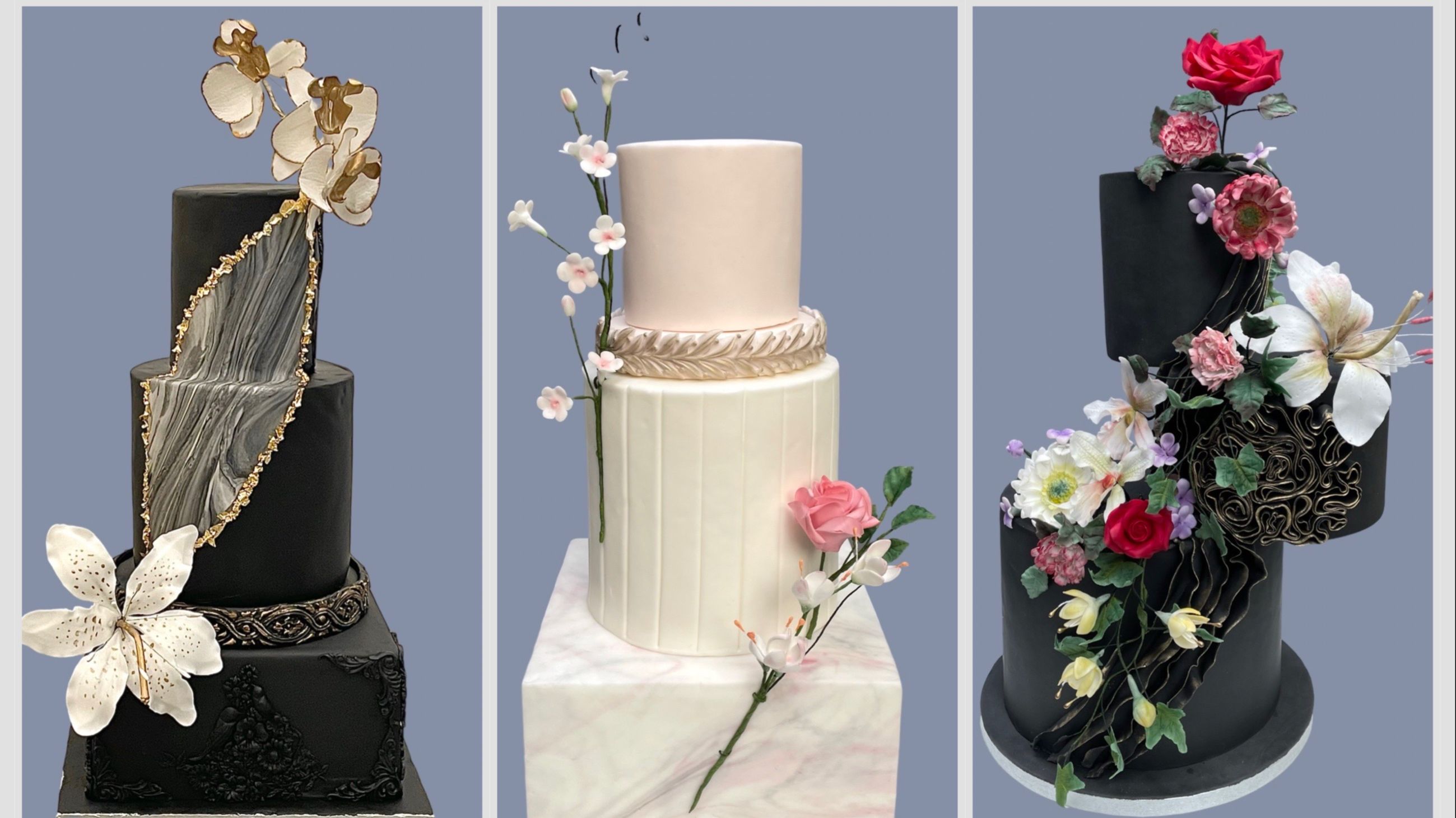
The scene is familiar. The client arrives with a photo — found on Instagram, Pinterest, or even in your own portfolio — and says: "I want exactly this."
What they imagine: placing an order like ordering a product online. Choose a model, receive the identical thing.
What they don't know: that doesn't exist in cake design.
A cake is not a manufactured product
A cake design creation is handmade. Every piece is unique — not by choice, by nature.
Ganache crystallises differently depending on the temperature of the day. Fondant reacts to ambient humidity. Sugar flowers are hand-modelled. The smoothing carries the mark of the spatula, the pressure of the moment, the light in the workspace that day.
Even if you reproduce your own creation — the same design, the same colours, the same proportions — the result will never be identical. Not because you worked less well. Because that's the reality of craft work.
A cake doesn't come out of a mould. It never has.
What the client thinks th...
Last-Minute Orders: Why Accepting Them Is a Commercial Mistake
The request comes in on Wednesday evening for Saturday. You hesitate, mentally calculate whether it's doable, and end up saying yes.
Because it's an order. Because you don't want to disappoint. Because you might need the income.
That's understandable. It's also a mistake.
What a last-minute order actually costs you
Your production time
A professional custom cake doesn't get made in 48 hours. Ganache crystallises overnight. Sugar flowers are prepared in advance. The sponge needs to cool before assembly. Fondant needs time to set.
Compressing that process means compressing quality. You know it. You do it anyway — and you deliver something that doesn't represent you.
Your organisation
A last-minute order disrupts everything that was already planned. It encroaches on your rest days, your other orders, your personal life. It turns a weekend into a race against the clock.
Your positioning
This is the least visible cost — and the most important one.
Every time you accept a last-m...
Summer Cakes: What Your Choice of Coating Says About You
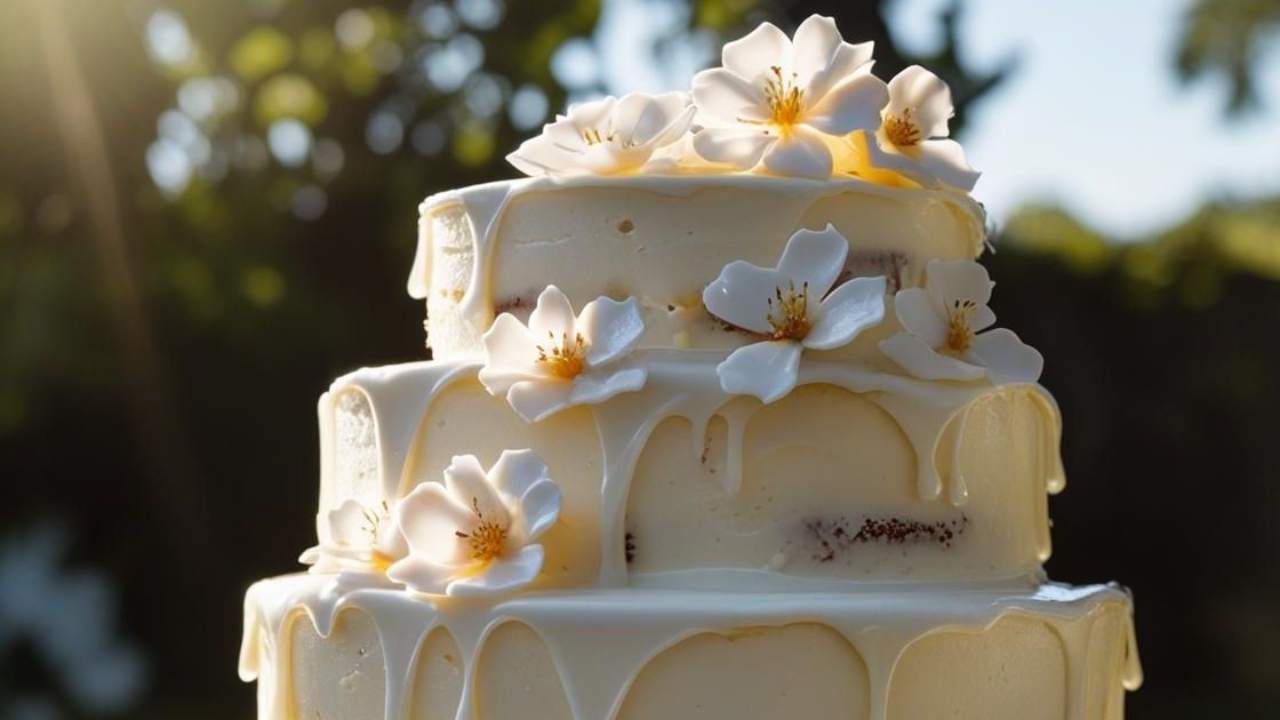
A cake that holds is invisible. The client expected it, it's there, impeccable — that's normal.
A cake that melts is memorable. For the wrong reasons. The client remembers it. They talk about it. Sometimes they photograph it.
In summer, the difference between these two scenarios has nothing to do with your skill level. It comes down to one choice: your coating.
Buttercream in summer: a risk you're passing on to your reputation
Buttercream softens. That's its nature. Above 22°C — a common temperature in a reception venue in summer, under spotlights, with dozens of people — it no longer holds.
It slides. It sweats. Edges round off, sharp angles disappear, decorations shift.
Your client doesn't know why it happened. They just know the cake no longer looks like what they ordered. And it's your name they associate with that memory.
Ganache: the coating that protects your work
Ganache resists ambient heat because its structure is based on cocoa butter — a fat that crystallises as...
Ganache vs Buttercream in Cake Design: What Tutorials Don't Tell You
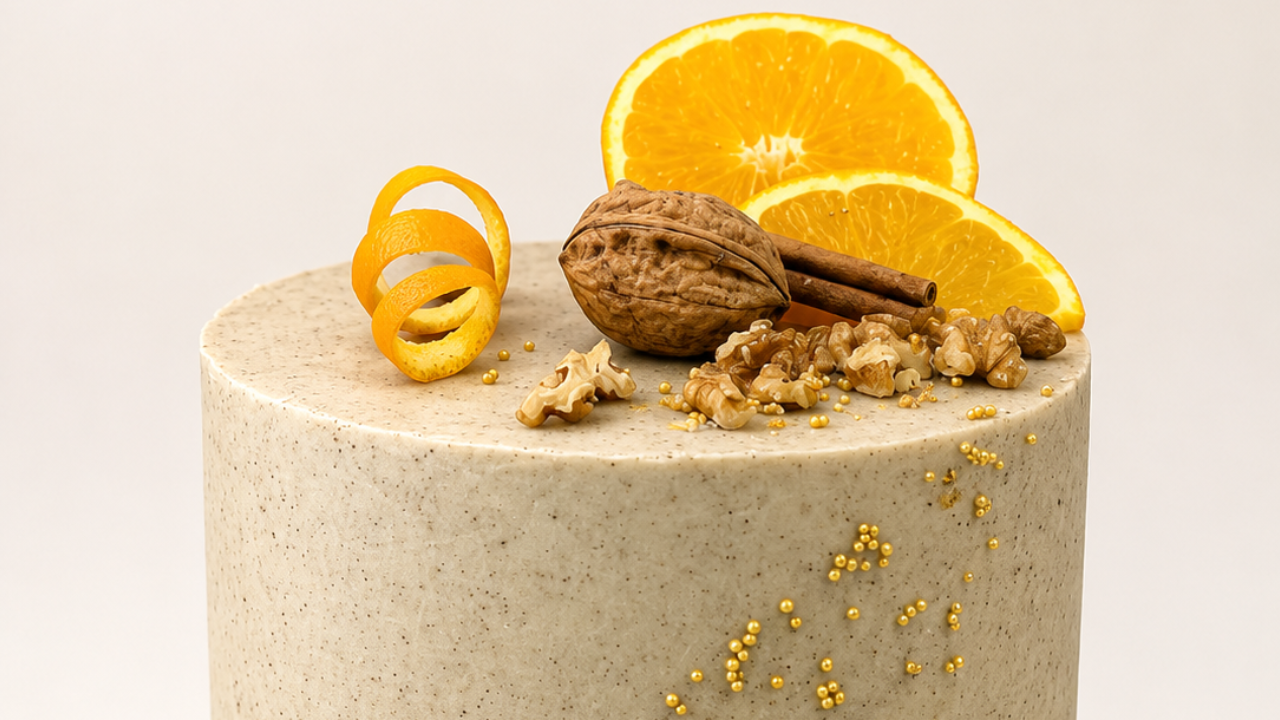
If you learned cake design online, you probably learned with buttercream. It's what the vast majority of tutorials use. It's what people who follow them reproduce. And it's become a default — not because it's the best option, but because it's the most common one.
Those are not the same thing.
What Nobody Tells You About Buttercream
Buttercream is presented as accessible. In reality, it's unpredictable.
It splits easily during preparation — a slight temperature variation in your ingredients and the texture is compromised. It melts in heat. It cracks as it cools. It sags under the weight of tiers. And once on the cake, it changes over time — it weeps, it dulls, it loses its structure.
This is not a forgiving material. It's an unstable one that people use out of habit and imitation.
What Ganache Changes
Covering ganache sets. That's not a subjective quality — it's its chemical nature.
Once crystallised, it provides a firm, stable base with sharp edges that buttercream
Self-taught cake decorator: do you really know what you don't know?
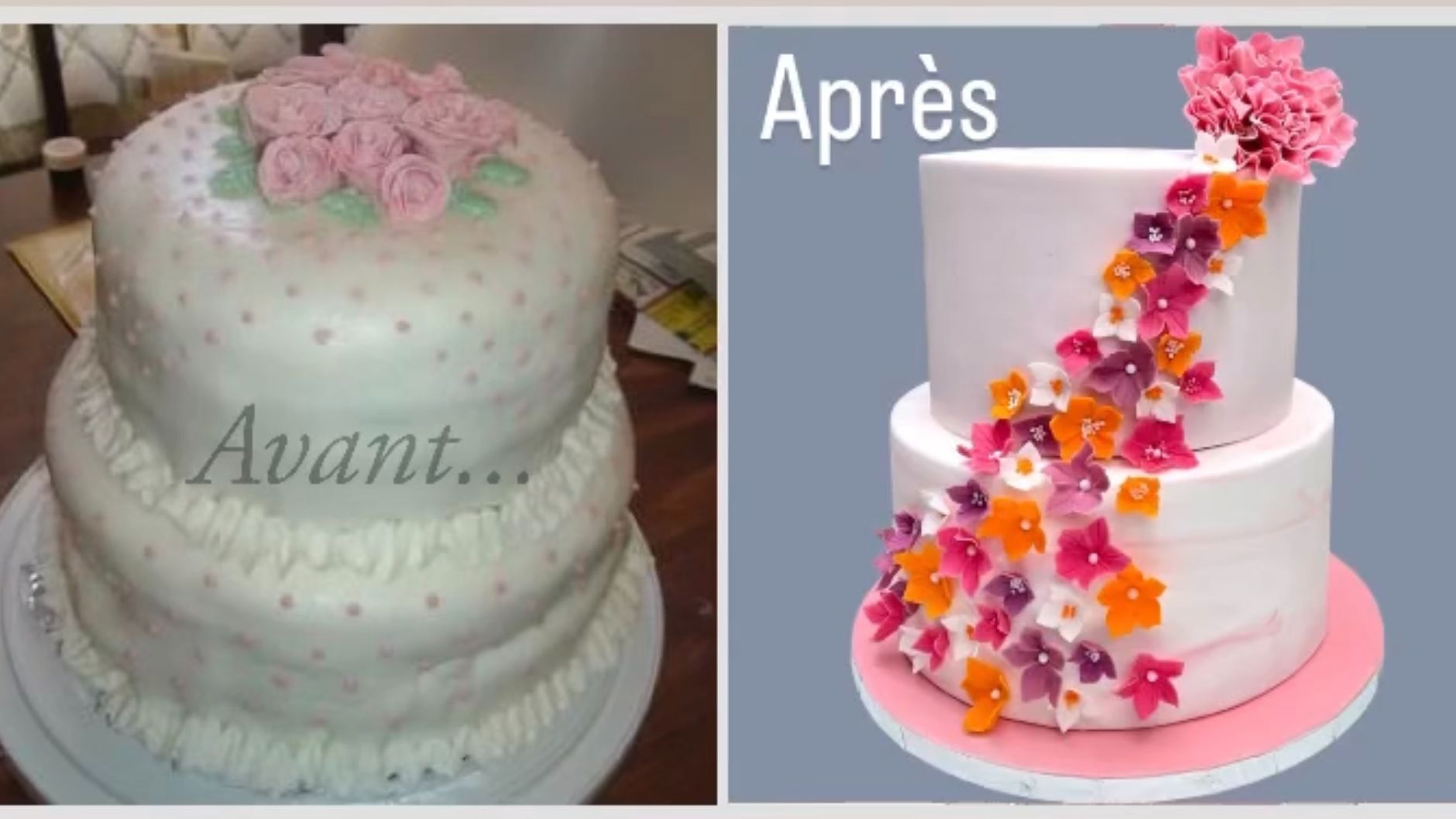
Most self-taught cake designers have one thing in common: they don't know exactly what they don't know.
That's not a criticism — it's the nature of learning on your own. You fill in the gaps as you go, work around difficulties, find shortcuts. And at some point, you feel like you have a complete practice, because you no longer see what's missing.
Here are five questions to find out where you really stand.
1. What's the internal structure of your cake? Well-built tiered cakes should hold without any problem. If yours sinks slightly in the centre or leans after a few hours, the recipe isn't the issue. It's the assembly itself.
The most common reason: layers of cream that are too thick and uneven, combined with a biscuit that's too moist. The cream keeps moving after assembly, and the cake follows.
The solution isn't to add dowels everywhere. It's to understand the balance between sponge density, cream quantity, and resting time before covering.
✳ If you can't explain why your cake ...
Your Cake Looks Beautiful. What If It Was Also Unforgettable to Taste?
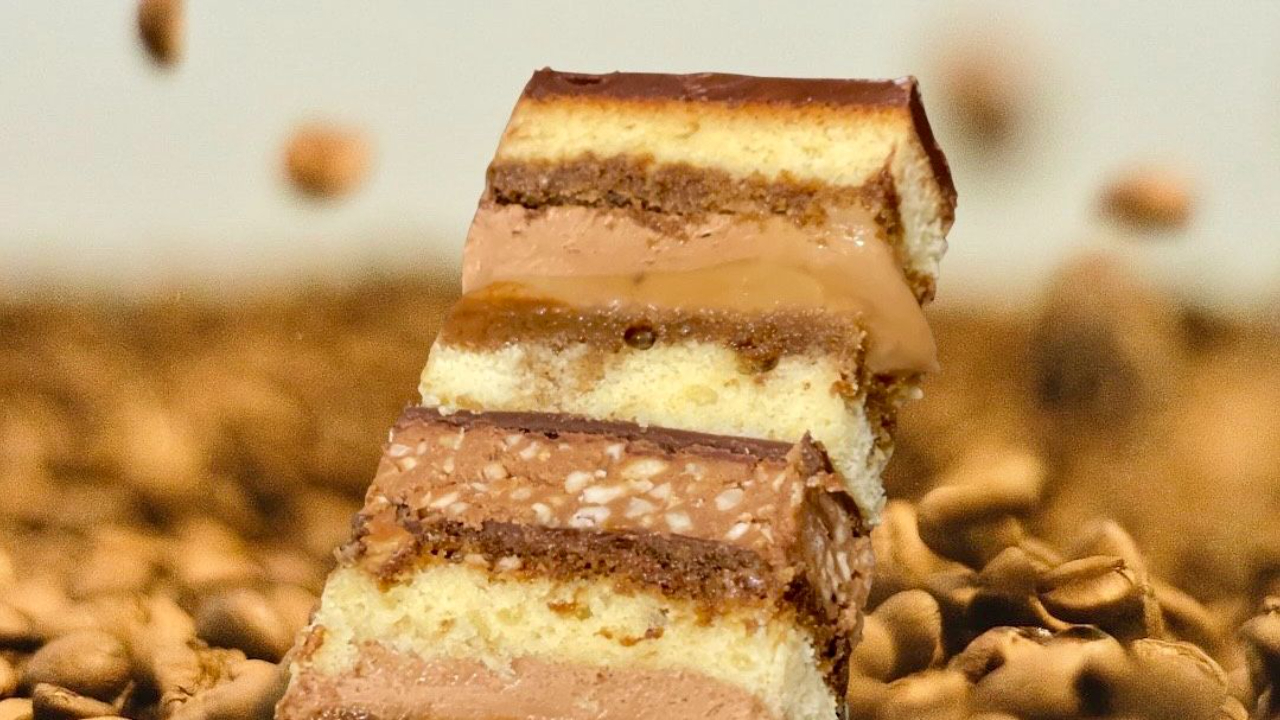
Let's talk about something you almost never hear in the cake design world.
You've worked on your exterior. The smoothing is flawless, the finishes are clean, the photo is stunning. The client is impressed at delivery. Then they cut the cake, they taste it — and nothing.
A forgettable sponge, an overly sweet cream, a soft texture that collapses at the slice.
They probably won't complain. But they won't come back either. And they won't tell anyone about it.
This is the most widespread problem in cake design — and the most ignored.
Why the Inside Is Almost Always Neglected
The answer is simple: nobody sees it on Instagram.
Most cake design learning revolves around the exterior. Decoration techniques, finishes, visual trends — everything that photographs well. The inside stays in the shadows. Most courses and online tutorials don't cover it, or offer a basic recipe without explaining why it works.
The result: many cake designers have mastered the shell and are improvising the rest.
...