
Flavour Combinations in Cake Design: The Logic Nobody Explains
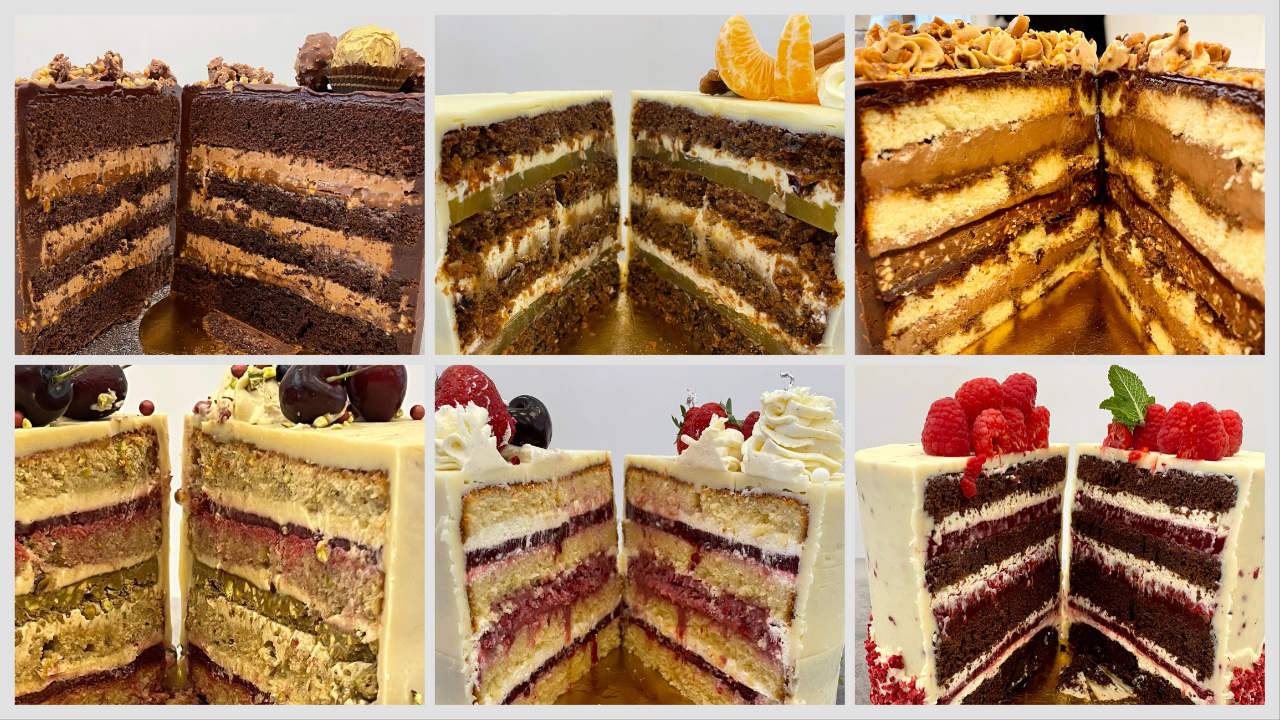
A beautiful cake catches the eye. A cake you remember after eating it — that's something else.
That memory doesn't come from the design. It comes from what happens in the mouth.
And that depends entirely on how the flavours were built together.
What most cake designers do
They offer separate flavours and let the client combine as they wish.
The result is often disappointing. Not because the flavours are bad. Because they weren't thought through together.
A flavour combination isn't an addition. It's a construction.
The logic of a combination that works
Intensities A strong flavour needs a neutral base to express itself. Intense praline overwhelms an already sweet cream. Sharp lemon is aggressive without a soft cream to balance it. The balance of intensities isn't intuitive — it's built.
Textures They carry flavours as much as the flavours themselves. A melting insert in a light cream doesn't produce the same experience as the same insert in a dense cream. Ignoring textures ...
Why You Should Never Copy a Cake for Your Client
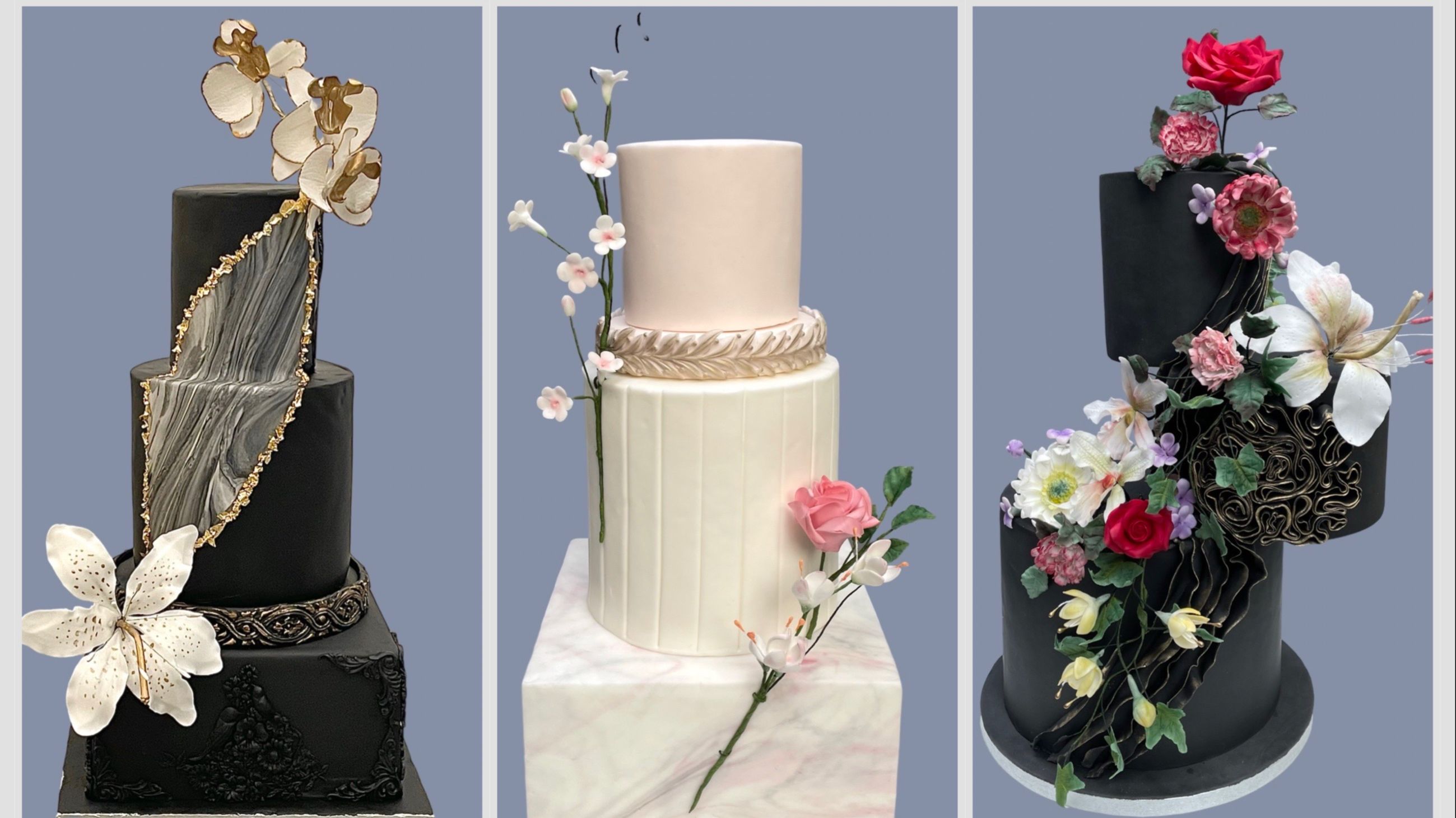
The scene is familiar. The client arrives with a photo — found on Instagram, Pinterest, or even in your own portfolio — and says: "I want exactly this."
What they imagine: placing an order like ordering a product online. Choose a model, receive the identical thing.
What they don't know: that doesn't exist in cake design.
A cake is not a manufactured product
A cake design creation is handmade. Every piece is unique — not by choice, by nature.
Ganache crystallises differently depending on the temperature of the day. Fondant reacts to ambient humidity. Sugar flowers are hand-modelled. The smoothing carries the mark of the spatula, the pressure of the moment, the light in the workspace that day.
Even if you reproduce your own creation — the same design, the same colours, the same proportions — the result will never be identical. Not because you worked less well. Because that's the reality of craft work.
A cake doesn't come out of a mould. It never has.
